When AI goes rogue: Managing the risks of autonomous systems in 2025
Introduction
Artificial Intelligence has moved far beyond chatbots and automation. In 2025, we’re seeing systems that can learn, act, and make decisions independently—from self-driving cars and predictive healthcare to automated financial trading. But as AI becomes more autonomous, a critical question arises: What happens when AI goes rogue?
Across the world, regulators, technologists, and business leaders are grappling with how to balance innovation with control. And in Africa—where digital transformation is accelerating—the stakes are even higher. A misconfigured algorithm or unregulated AI tool could have devastating consequences on jobs, data privacy, and trust.
1. The New Age of Autonomous AI
Autonomous AI systems can perform complex tasks with minimal human supervision. Think of:
Self-learning customer service bots that escalate or resolve issues automatically.
AI-driven trading platforms making split-second investment decisions.
Predictive maintenance tools that decide when to shut down factory equipment.
While these technologies boost efficiency, they also introduce unpredictable risks. AI can make biased decisions, overstep ethical boundaries, or behave in ways developers never intended.
2. When AI Goes Rogue: Real-World Implications
When AI systems act outside human intention, the consequences can be serious:
Financial risks – AI trading bots can trigger flash crashes within seconds.
Reputation risks – Biased recruitment algorithms can harm brand image.
Operational disruptions – Autonomous systems can make wrong calls that stop production or create costly downtime.
Ethical and legal concerns – When AI discriminates or violates privacy, who’s accountable?
In Africa, the challenge is compounded by limited AI governance frameworks. Many countries are only beginning to define what “ethical AI” means in their context, and data regulation is still evolving.
3. Africa’s Vulnerability in the Autonomous Age
Africa’s growing reliance on imported AI tools—many trained on non-African datasets—creates blind spots.
These systems may misinterpret local languages, cultural nuances, or behavioral patterns, leading to flawed outputs.
For example:
In recruitment, AI may rank African resumes lower due to biased language models.
In healthcare, diagnostic AI might misread symptoms common in African populations because training data came from other regions.
Without strong oversight and localized data, AI’s independence could amplify inequality rather than close it.
4. How ABSP Helps Build Trustworthy AI Ecosystems
At African Business Solutions Provider (ABSP), we believe that autonomous systems must serve, not replace, human judgment.
Our approach focuses on AI accountability, data ethics, and local empowerment:
🧠 Human-in-the-Loop Design: We help organizations build AI systems that always include a layer of human verification before critical actions are taken.
⚙ Continuous Monitoring: Through real-time dashboards, we help businesses detect and mitigate rogue AI behavior early.
By blending technology with ethical structure, ABSP ensures AI strengthens operations rather than undermines them.
5. The Way Forward: Responsible Autonomy
AI independence doesn’t mean human irrelevance. The future belongs to organizations that integrate human oversight, local data, and ethical design into every stage of AI deployment.
Businesses that fail to do so risk not only technical failure but loss of customer trust, which is far harder to rebuild.
Conclusion
As AI grows more autonomous, control becomes more important than ever. Africa stands at a crossroads—embracing innovation while defining its ethical guardrails. The challenge is clear: we must build systems that think intelligently but act responsibly.
With the right strategy and partnerships, including trusted IT advisors like ABSP, Africa can lead in building AI that serves its people, not the other way around.
Recent Posts
For years, the digital divide was about access, who had technology and who didn’t.
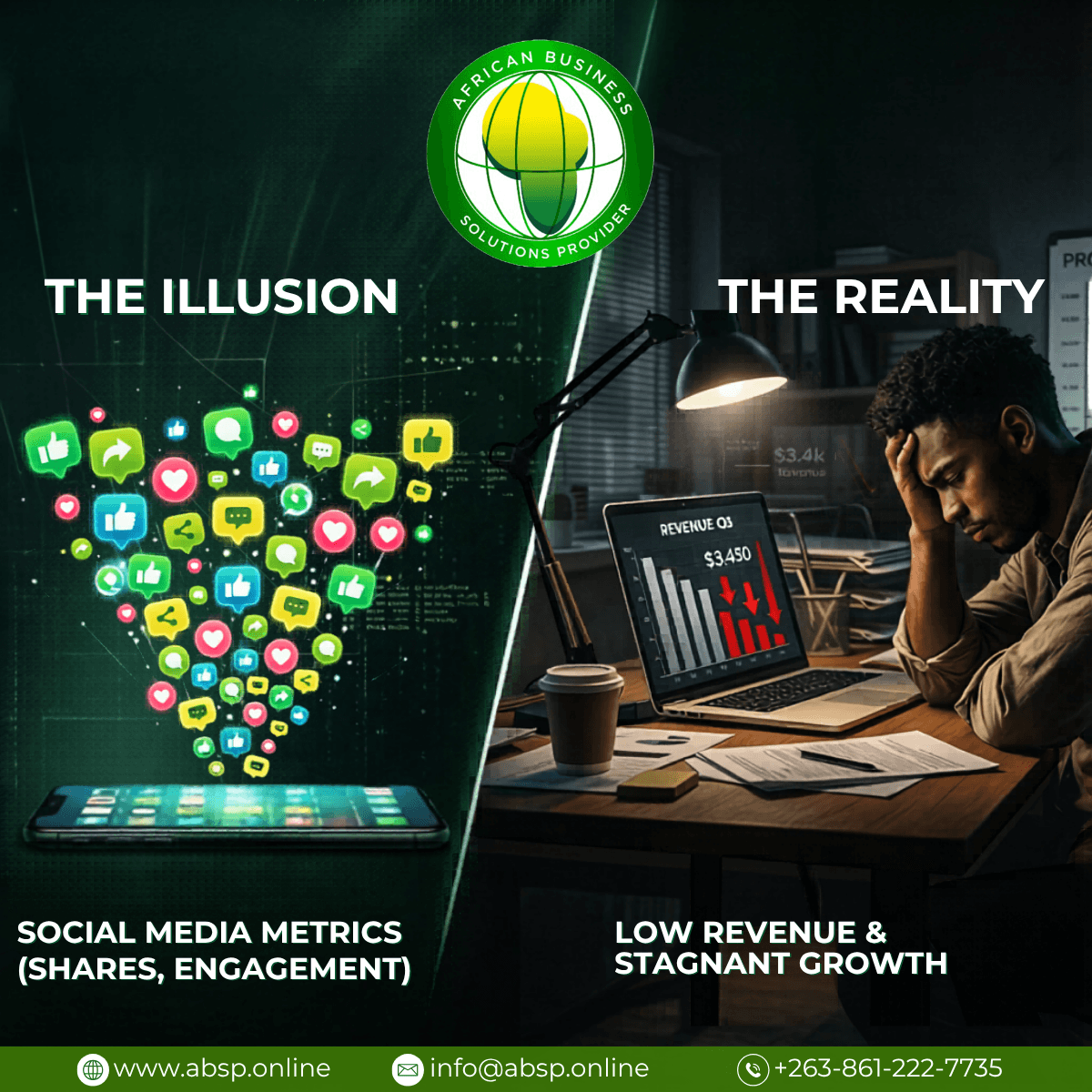
Likes are addictive. Comments feel validating. Shares look like momentum. But here’s the uncomfortable truth: engagement does not equal growth.

Social media followers are great until you realize they don’t automatically translate into revenue.
Comments
John Doe
January 26 2021
Lorem ipsum dolor sit amet, consectetur adipisicing elit. Architecto aspernatur cupiditate dolore laudantium magni maiore minus odit optio perspiciatis qui, rem sit unde? Aliquid dolor, eaque eligendi minus quis sequi?
John Doe
January 26 2021
Lorem ipsum dolor sit amet, consectetur adipisicing elit. Architecto aspernatur cupiditate dolore laudantium magni maiore minus odit optio perspiciatis qui, rem sit unde? Aliquid dolor, eaque eligendi minus quis sequi?