The Psychology Behind Technology Adoption in Organizations
Introduction
You've invested in a new ERP, CRM, HR platform, or AI tool.
The technology works, the training is complete yet months later, employees are still using spreadsheets, WhatsApp messages, or old processes.
Sound familiar?
The reality is that technology projects don't fail because of software, they fail because of people.
Research shows that 60–70% of digital transformation initiatives struggle or fail due to human factors such as resistance to change, poor communication, and lack of employee buy-in.
Why Employees Resist New Technology
Most leaders assume resistance comes from laziness or negativity.
In reality, resistance is usually driven by psychology.
1. Fear of Losing Control
New systems often change how people work, measure performance, and make decisions.
Employees may worry about:
- Becoming less valuable
- Losing autonomy
- Looking incompetent while learning
When people feel threatened, they naturally resist.
2. Comfort With the Familiar
Humans are wired to prefer familiar routines.
Researchers call this "status quo bias" the tendency to stick with existing processes even when better alternatives exist.
The old system may be inefficient, but it's predictable.
3. Lack of Clear Benefits
Many organizations explain what the new system does.
Few explain why employees should care.
If staff don't see how technology makes their lives easier, adoption suffers.
4. Change Fatigue
Employees today face constant change:
- New software
- AI tools
- New processes
- New policies
Many workers are experiencing "transformation fatigue," leading to frustration and burnout.
Why This Matters in Africa
Across Africa, businesses are rapidly embracing:
- Digital transformation
- Cloud solutions
- ERP systems
- AI-powered tools
- Mobile applications
But technology adoption remains one of the biggest challenges.
Many organizations focus heavily on purchasing software but invest very little in change management, communication, and user adoption.
The result?
Expensive systems that never deliver their full value.
For African SMEs, this can mean:
- Wasted investment
- Lower productivity
- Delayed growth
- Reduced competitiveness
How ABSP Helps Organizations Drive Adoption
At ABSP, we believe successful digital transformation starts with people, not technology.
Our approach includes:
Early Employee Involvement
People support what they help create. Involving users early increases ownership and acceptance.
Clear Communication
We help organizations explain not just what is changing, but why it matters.
Practical Training
Training focuses on real work scenarios, not generic software demonstrations.
Change Champions
We encourage organizations to identify internal advocates who help drive adoption among peers.
Continuous Support
Adoption doesn't happen after one training session. Ongoing support ensures long-term success.
Final Thoughts
The biggest barrier to digital transformation isn't technology, it's human behavior.
Organizations that focus only on software implementation often struggle.
Organizations that focus on people, communication, and change management achieve far better results.
Because technology doesn't create transformation.
People do.
Recent Posts
The reality is that technology projects don't fail because of software, they fail because of people.
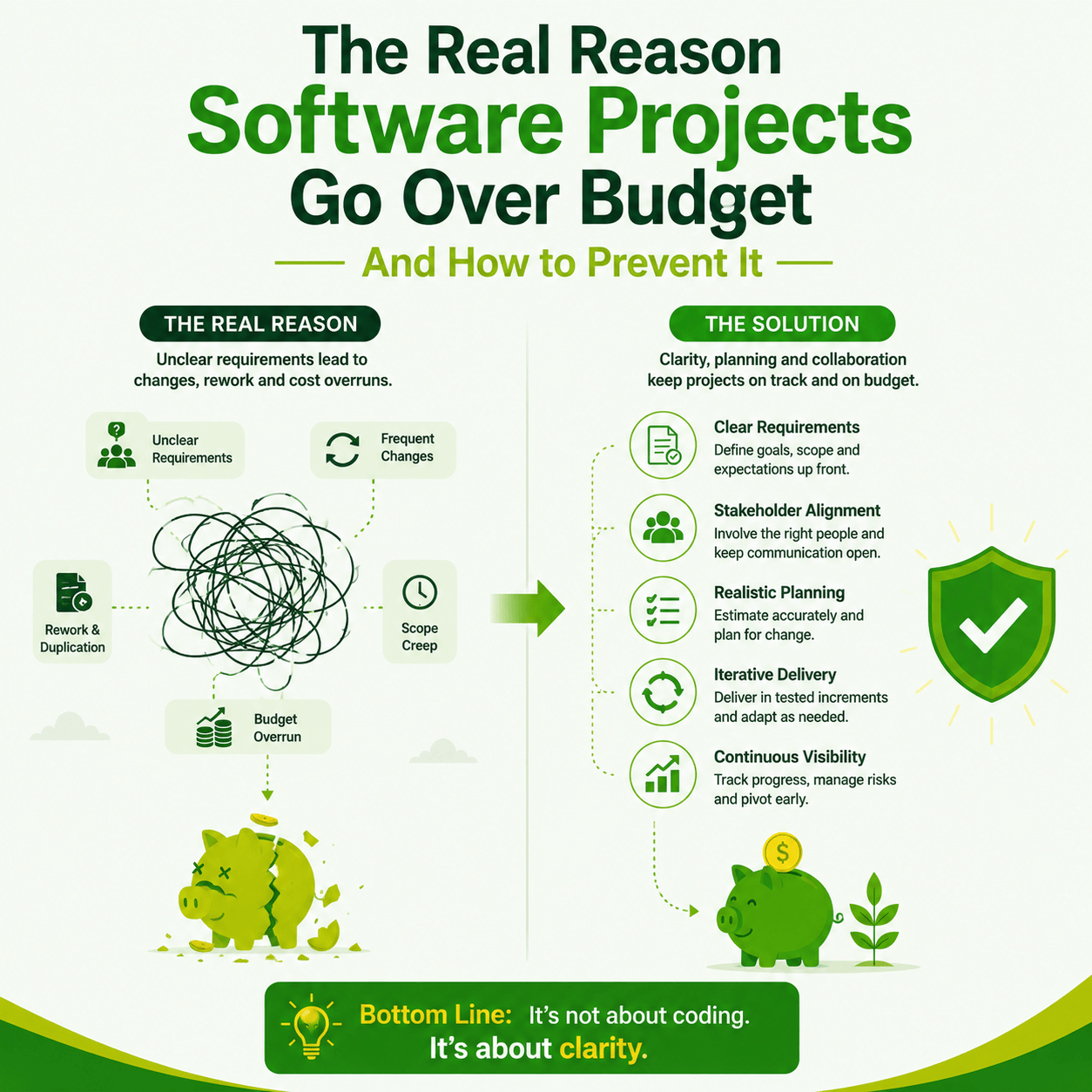
Most software projects don't go over budget because of bad developers, they go over budget because of poor planning, unclear communication, and uncont...
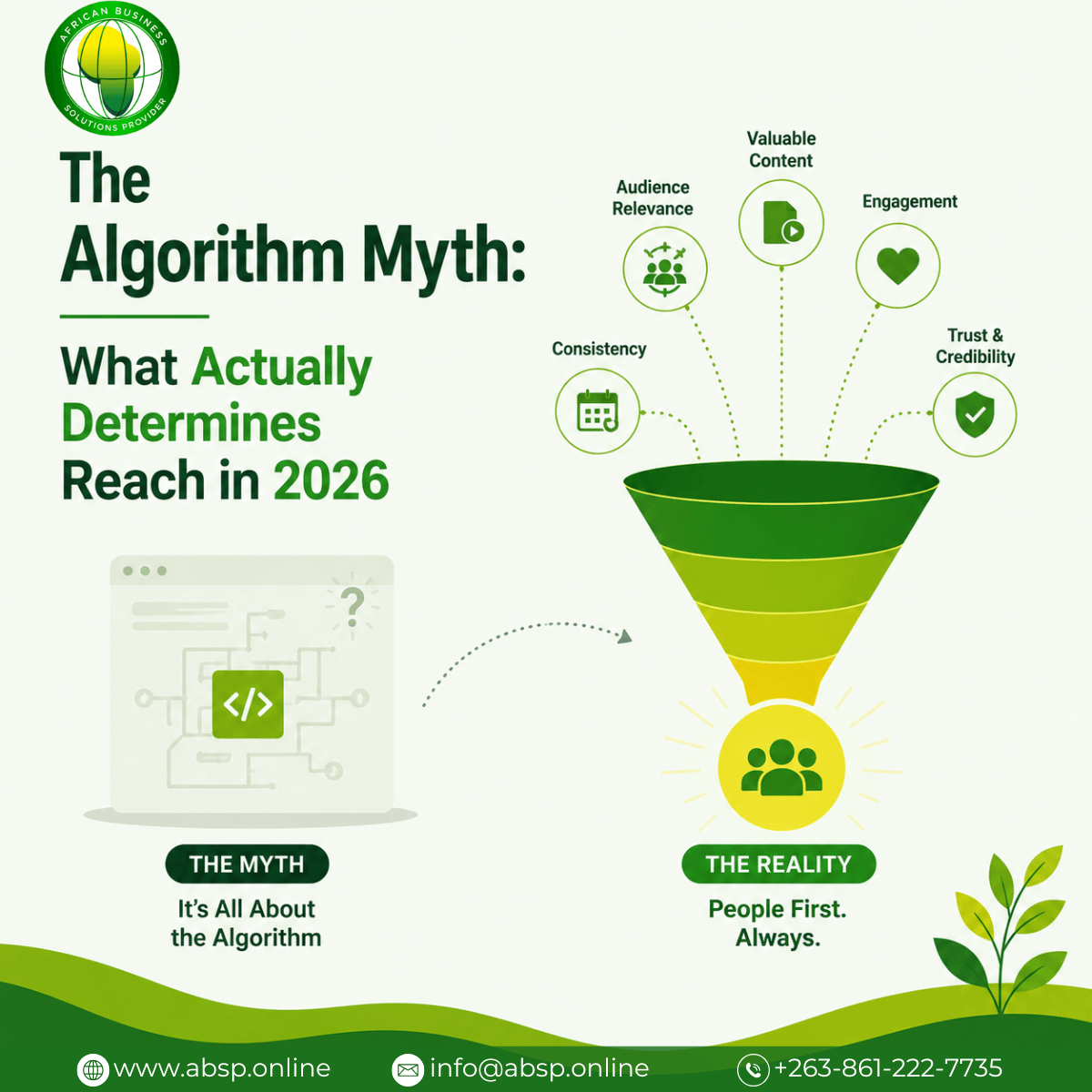
Most businesses don’t actually understand what social platforms are optimizing for.
Comments
John Doe
January 26 2021
Lorem ipsum dolor sit amet, consectetur adipisicing elit. Architecto aspernatur cupiditate dolore laudantium magni maiore minus odit optio perspiciatis qui, rem sit unde? Aliquid dolor, eaque eligendi minus quis sequi?
John Doe
January 26 2021
Lorem ipsum dolor sit amet, consectetur adipisicing elit. Architecto aspernatur cupiditate dolore laudantium magni maiore minus odit optio perspiciatis qui, rem sit unde? Aliquid dolor, eaque eligendi minus quis sequi?